There is a particular kind of travel anxiety that nobody talks about much. It is not about delayed flights or losing luggage. It is the quiet dread of arriving somewhere new and realizing that every social activity on the itinerary is built around drinking. The welcome cocktail at check-in. The wine pairing at the nice dinner. The bar crawl everyone in the group is excited about. The question of what you are going to hold in your hand while everyone else holds something with proof.
If you have spent any time navigating nightlife or social events alcohol-free at home, you have probably developed your own strategies. Travel is harder because you are out of your routine, in unfamiliar places, often surrounded by people you want to impress or connect with. The infrastructure you rely on at home, knowing which bars have good mocktail programs, which coffee shops stay open late, which neighborhoods have options, does not exist yet in the city you just landed in.
The good news is that it is getting easier to build that infrastructure on the fly. Online searches for “sober travel” jumped 200 percent in early 2025, which means the resources, venues, and communities that make alcohol-free travel comfortable are expanding fast. Here is how to navigate it.
Start With Research, Not Improvisation
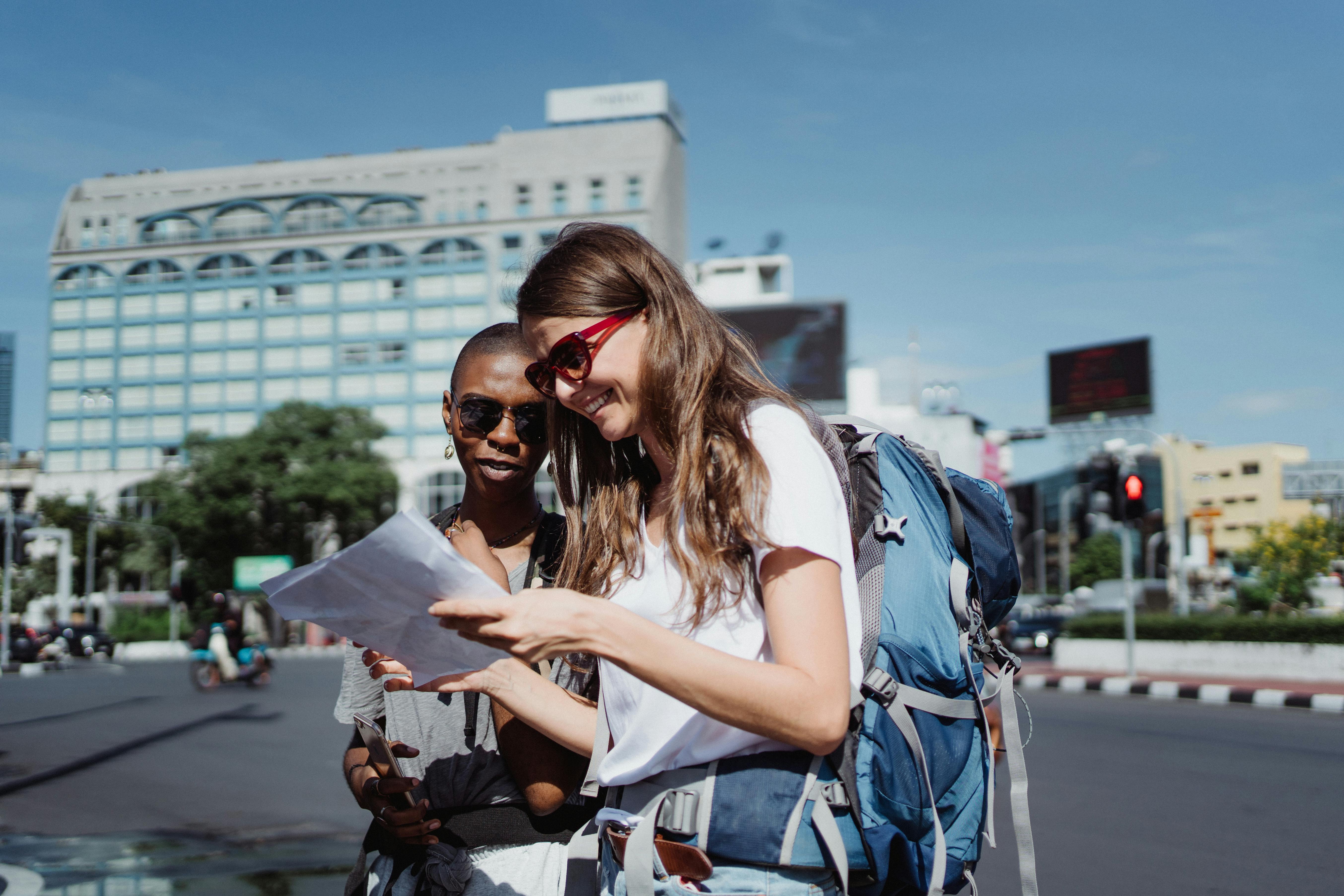
The biggest mistake sober curious travelers make is assuming they will figure it out when they get there. You can, but it takes more energy than it should and leaves you dependent on whatever happens to be nearby when you are tired and hungry and the group is making a decision in real time.
A little research before you leave changes the whole equation. Before any trip, spend twenty minutes identifying two or three venues in each city where you know you can order something genuinely interesting without awkward explanation. These become your anchors. You do not have to spend the whole trip there, but knowing they exist removes the low-grade stress of not having a plan.
The Downtown Dry directory covers alcohol-free and sober-friendly venues across more than 430 cities. It is a practical starting point for any domestic trip: search your destination state, browse the city page, and bookmark a few spots before you pack. If you are heading to Texas, Florida, or California, there is a solid range of options across multiple cities. Even mid-sized cities tend to have at least a handful of venues that take non-alcoholic drinks seriously.
Rethink What a “Good Night Out” Looks Like
Part of what makes sober travel feel harder than it is, is a mental model problem. Most people unconsciously plan their evenings around the drinking arc: happy hour, dinner with wine, a bar or two after. If you remove the alcohol without changing the structure, you end up feeling like you are attending someone else’s evening.
The fix is to lead with the experience rather than the venue type. What do you actually want from a night out in this city? If the answer is good food, find the restaurant with the most interesting zero-proof cocktail program. If the answer is live music, book a show and get there early enough to settle in with a good drink before it starts. If the answer is connection and conversation, a kava bar or a coffee shop with late hours often delivers that better than a loud bar would anyway.
Some of the most memorable travel moments come from being fully present, and even experiences that were once exclusively alcohol-focused, like craft cocktail classes, are evolving to welcome sober travelers. A mixology class where you learn to build zero-proof cocktails from fresh ingredients is a better story than a bar crawl. A cooking class, a late-night food tour, a rooftop with a view and a good mocktail, these are not consolation prizes. They are often the better version of the same impulse.
Handle the Hotel Bar Situation
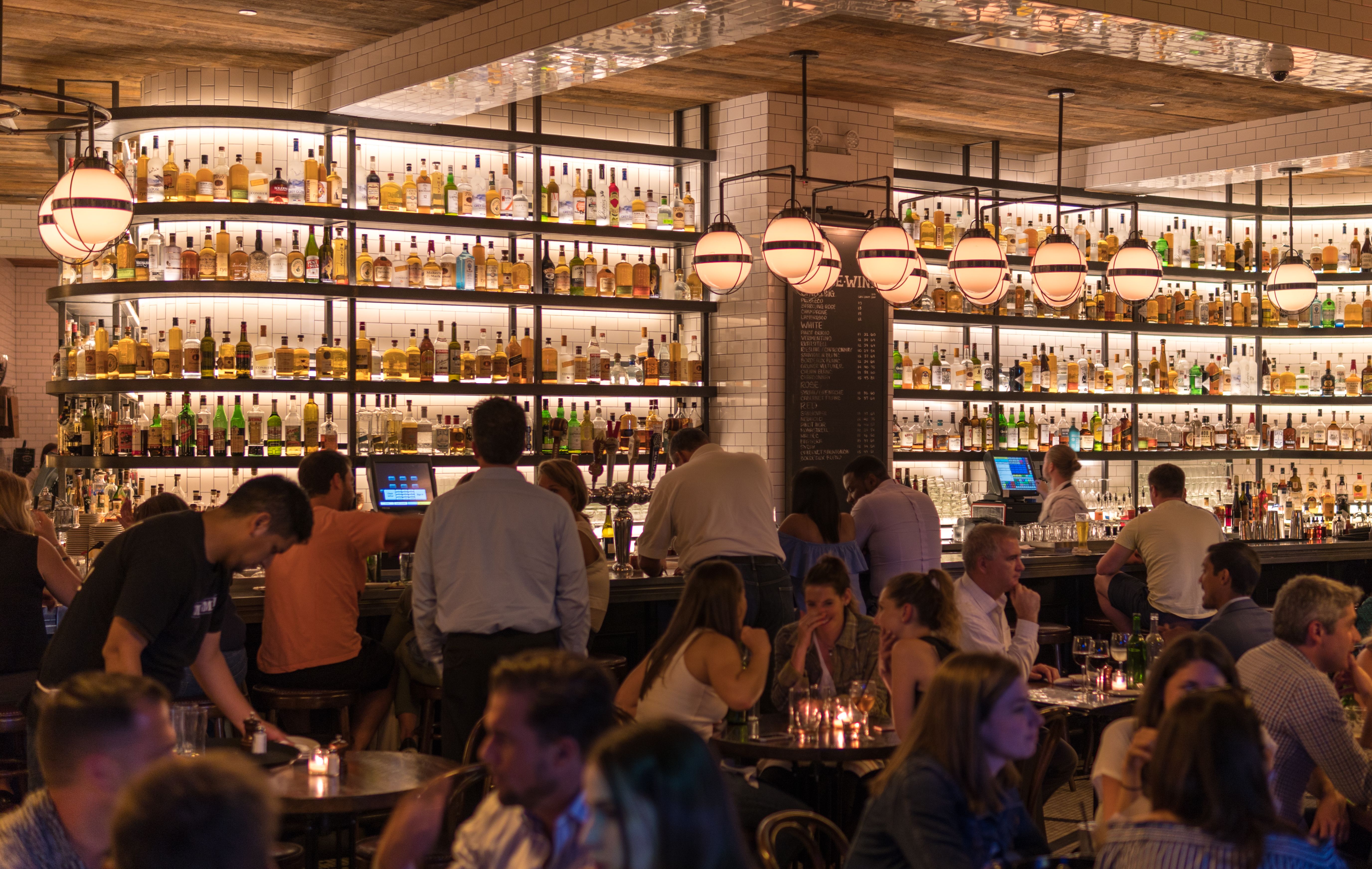
Hotel bars are the ambush of sober travel. You did not plan to be there, but your colleagues are heading down after dinner, or the group is meeting in the lobby, or you just want somewhere comfortable to sit for an hour before bed. Hotel bars are also notoriously bad at non-alcoholic options, defaulting to soft drinks or bottled water while charging cocktail prices for the atmosphere.
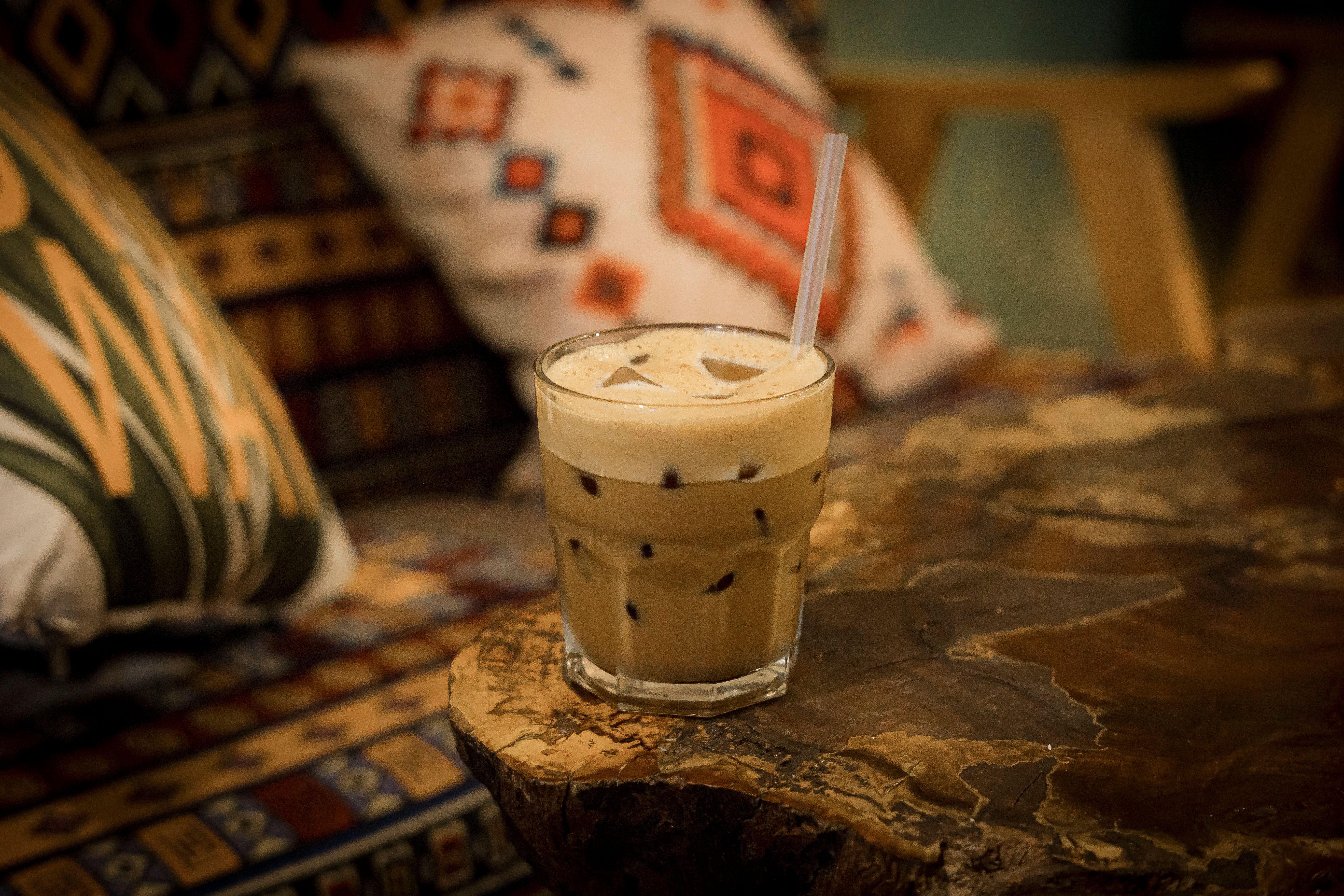
A few things help here. First, ask specifically about mocktails or zero-proof options rather than just saying you do not drink. Bartenders who would reach for a ginger ale by default will often make something genuinely interesting if you frame the request as a drink order rather than an abstention. Second, know that this is changing at the higher end of the market. High-end brands like Four Seasons and JW Marriott are elevating their menus with curated zero-proof wines and artisanal mocktails, and some independent urban hotels now offer dry minibars and in-room mocktail kits. If you are choosing between hotels, it is worth checking whether the bar program has been updated in the past few years.
Third, you do not have to stay at the bar. You can meet the group there, order something sparkling with a garnish, spend an hour in the conversation, and head upstairs when you are ready. Nobody needs to make a production of it.
The Money Angle Is Real
Sober travel is significantly cheaper than the alternative, and it is worth naming that plainly. In pricey nightlife destinations like New York or Miami, choosing water or a mocktail over cocktails can easily save $50 or more in a single night. Over a week-long trip with multiple dinner and evening outings, that gap compounds quickly.
Cruise travelers have started noticing this too. Holland America Line’s nonalcoholic beverage package costs roughly one-third of its alcoholic counterpart, a savings of at least $33 per day, or about $231 over a seven-day cruise, while still giving access to mocktails and specialty drinks. That is not a trivial difference for a category of travel where package upgrades add up fast.
The savings tend to get reinvested in experiences rather than disappearing. People who are not spending on rounds of drinks at every stop tend to spend more on food, activities, and the kind of experiences that generate better memories anyway. It is a trade most sober travelers quietly appreciate but rarely hear acknowledged.
Traveling With People Who Drink
This is where most of the friction actually lives, and it is worth addressing directly rather than dancing around it.
Traveling with a mixed group, some drinkers and some not, works fine in practice when a few things are in place. The most important is having a say in where the group eats and what the evening looks like, at least some of the time. A group that always defaults to the dive bar with no food and nothing to drink but cheap beer is a harder environment than one that cycles through different types of venues.
You do not need to explain or justify your drink choices to anyone, but you also do not have to pretend you have no preferences. Suggesting a restaurant with an interesting mocktail program is just suggesting a restaurant. Proposing the cocktail class or the late-night food tour or the rooftop bar with a view is just proposing an activity. The best sober curious travel experiences tend to happen when the non-drinking person takes some ownership of the itinerary rather than waiting to see what everyone else decides.
One alcohol-free travel company’s philosophy captures it well: when you remove alcohol, you fill those hours with experiences you would never otherwise have. That reframe holds for independent travel too. The hours that used to evaporate into long bar nights become available for something else.
Finding Your People on the Road
Solo sober travel is its own category, and one that is growing. A Contiki survey found that 83 percent of Gen Z travelers would consider booking a sober travel experience. That number points to a population that is actively looking for travel that does not center on drinking and is willing to organize around it.
The organized sober travel industry has grown to meet that demand. Companies like Hooked Travel, Capsule Adventures, and We Love Lucid run trips specifically for sober and sober-curious travelers, ranging from weekend European getaways to expeditions in Iceland, Tanzania, and Patagonia. These are not retreats built around recovery programming. They are adventure trips where the common ground is wanting to be fully present for the experience.
If a group trip feels like too much structure, the other option is leaning into local sober communities when you arrive somewhere new. Most cities with a meaningful alcohol-free venue scene also have an active community around it. Kava bars in particular tend to function as genuine community hubs rather than just places to get a drink. Walking into a good kava bar in an unfamiliar city and sitting at the counter is often one of the faster ways to have a real conversation with a local.
A Practical Pre-Trip Checklist
Before you leave for any trip, spend a few minutes on these:
Find your anchor venues. Look up the destination in the Downtown Dry directory and identify two or three spots you want to visit. Screenshot the addresses so you have them offline.
Check the hotel bar. If the hotel matters to you as a social space, a quick look at recent reviews mentioning mocktails or non-alcoholic options will tell you what to expect.
Build one evening around your preferences. Even in a group trip, make sure at least one dinner or evening activity is somewhere you genuinely want to be, not just somewhere that works for everyone else.
Know what you want to say. If someone asks why you are not drinking, having a short, comfortable answer ready makes the interaction easier for everyone. “I’m not drinking tonight” and changing the subject works better than most people expect.
Give yourself permission to leave. Sober travel does not mean staying until 2 a.m. at venues that stopped being interesting to you hours ago. Knowing you can head back when you are ready, and not feeling guilty about it, changes the whole texture of a trip.
The Bigger Picture
Sober travel used to require significant advance planning and a willingness to accept limited options. That is shifting quickly. More venues in more cities are building real zero-proof programs, more hotels are treating non-alcoholic guests as guests rather than edge cases, and more travelers are making the same choices you are.
The practical result is that traveling alcohol-free in 2026 is more comfortable than it has ever been, especially in major American cities where the venue landscape has changed meaningfully in the past few years. You can have a genuinely good trip, with good food and good company and interesting things to drink, in almost any destination. It just helps to know where to look before you get there.
If you are planning a trip and want a head start on the research, the Downtown Dry states directory is a reasonable first stop. Browse by state, find your city, and arrive somewhere with a plan.