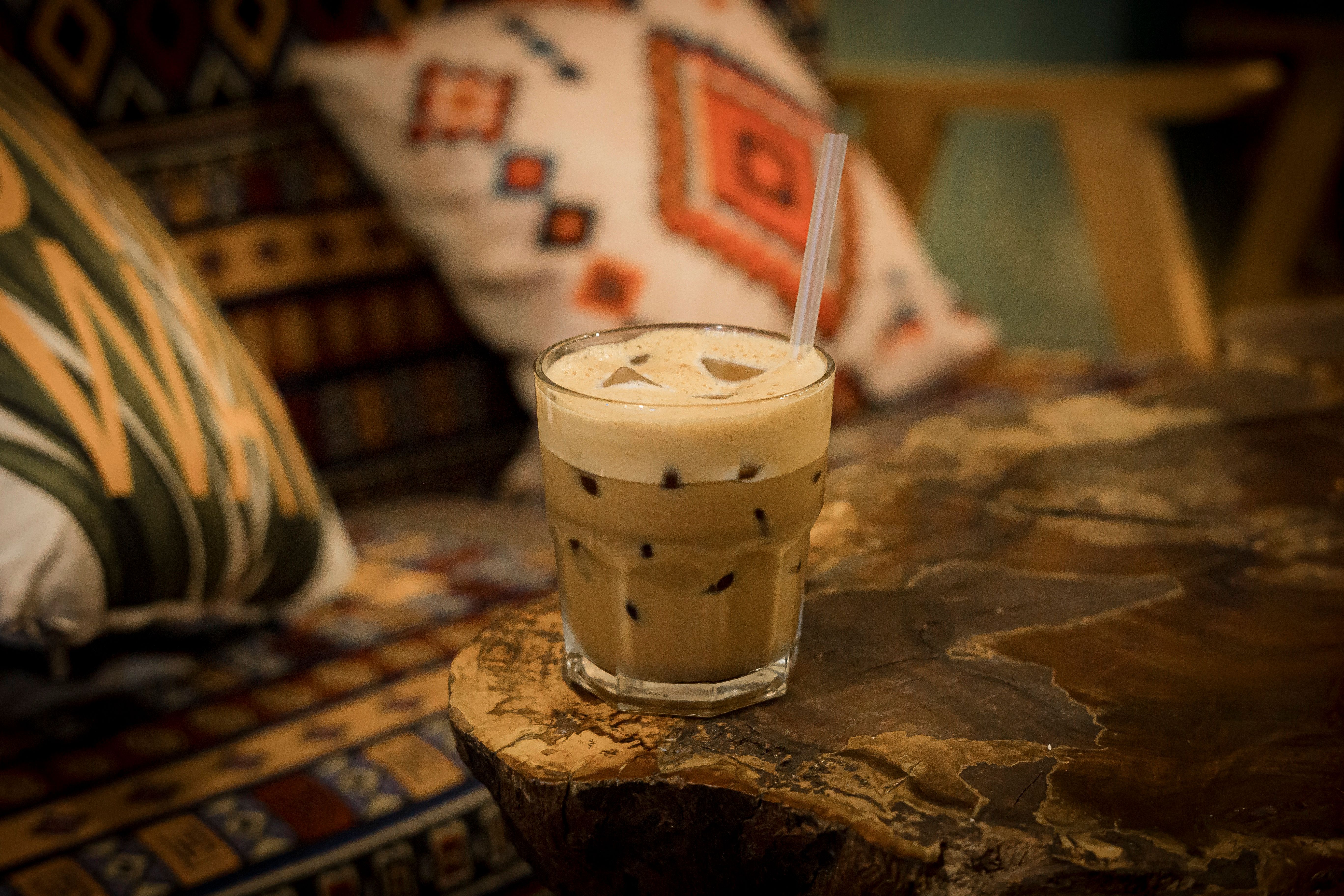
January is the month most people try to take a break from drinking. If you’re thinking about doing Dry January 2027, the hard part usually isn’t the first week. It’s the Friday happy hour, the work party, and the moment someone asks what you want to drink and you have no answer ready.
This guide is about the setup: how to plan the month, what to order instead, and where to go when you want to get out of the house without a drink in your hand. If you want the other side of the story, what happens once the month ends, read Dry January Is Over. Now What?.
Plan the Month Before It Starts
Most Dry January attempts that fall apart fall apart in week two, when nothing was planned and the old routine kicked back in. A few things help:
Pick your start date and write it down. January 1st is the obvious choice, but starting on the first Monday or the first weekend works just as well. Tell one person so someone knows.
Map out the risky days. Look at your calendar for January. Which Fridays are happy hours? Which weeks have the team dinner, the game, the birthday? Mark them now, and decide what you’ll drink at each one before you get there.
Decide what you’ll drink instead. This is the single most useful step. If you only remove the alcohol, you’re left with an empty glass and a habit with nowhere to go. Keep a few drinks you actually like in the fridge.
Have a line ready. “I’m doing Dry January” is enough for most people. You don’t owe anyone a longer explanation, and most people won’t ask one.
Mocktails and Non-Alcoholic Drinks That Don’t Taste Like Sadness
A good non-alcoholic drink has the same parts as a cocktail: acid, sweetness, bitterness or texture, and something aromatic. Skip the plain soda with a lime wedge if you can, and try building drinks that have a little structure.
Start with the mocktail recipes on this site. They’re built around simple home ingredients. For a quick version, pick one base, one acid, and one aromatic:
- Base: sparkling water, tonic, ginger beer, or a zero-proof spirit.
- Acid: fresh citrus, a splash of verjus, or a shrub.
- Aromatic: rosemary, basil, cardamom, or a dash of bitters made without alcohol.
If you’re going out, look for a menu that treats non-alcoholic drinks as real drinks. Some mocktail bars build a full menu around them. Others have a zero-proof section tucked away. It’s worth checking before you go.
Find Sober-Friendly Bars Near You
One of the best things about Dry January is finding places you actually want to spend an evening in that don’t revolve around alcohol. A few places to start:
- Sober bars lists venues where the drinks menu isn’t built around alcohol.
- Non-alcoholic bars covers spots with a real NA menu.
- Kava bars serves kava, a traditional Pacific Island drink, along with kratom teas and other botanical drinks.
City pages show what’s near you, with hours, addresses, and maps. Two examples:
Check the hours before you go. Venues change them, and a quick look at the listing can save you a wasted trip.
What the Research Says
You don’t need the science to do Dry January, but a few facts help you make decisions.
A standard drink is smaller than most people think. In the U.S., one standard drink contains about 14 grams of pure alcohol. That’s roughly a 12-ounce beer at 5% alcohol, a 5-ounce glass of wine at 12%, or a 1.5-ounce shot of 80-proof spirits. The CDC explains this in its standard drink sizes guide, and the NIAAA covers the same definition in The Basics: Defining How Much Alcohol is Too Much. Big pours and strong cocktails can easily be two or three standard drinks.
Taking a month off seems to help, and cutting back seems to help too. A review published in Alcohol and Alcoholism pooled 16 studies with more than 150,000 participants who mentioned Dry January. Brown University’s summary of the review reports better sleep, mood, energy, and some measures of liver function and blood pressure among people who stopped for the month. People who only cut back also saw some improvements. The full paper is available from the journal.
Keep the limits of that evidence in mind. Most of the studies are observational, and the people who sign up for Dry January are not a random sample of drinkers. A small number of participants who didn’t finish the month drank more afterward. The review’s authors also say more research is needed.
If you drink heavily, take medication that interacts with alcohol, are pregnant, or have a health condition that alcohol can make worse, talk to a clinician before you change your drinking. This post is general information, not medical advice.
Make It Through to February
Dry January gets easier when you stop treating it as a test. Notice what changed: the sleep, the money, the mornings. Notice which situations were hard and which ones got easier. Those notes are useful whether you go back to drinking, cut down, or stop for good.
When the month is over, Dry January Is Over. Now What? covers the February question: how to keep what you liked without making it your whole identity.