Kava bars are opening across the country. Walk through almost any mid-sized American city right now and there is a decent chance you will spot one, with dim lighting, earthy décor, and people sitting around looking relaxed but not wasted. We have visited a good number of them over the past year, and they are some of the most interesting social spaces we have been in. You can find them near you on our kava bars directory. If you have never been to one, our guide to what a kava bar is walks through ordering, etiquette, and what it feels like.
But first, the important stuff.
Important Safety Information
Kava affects your body, so take it seriously. Do not drive or operate machinery after drinking it, because it slows your motor skills and reaction time. Do not mix it with alcohol or anything else that taxes your liver. If you have liver conditions, are pregnant or nursing, or take medications, talk to your doctor first. We have a full breakdown of the science behind kava if you want the details. This is not optional reading. It is how you keep a good experience from turning into a bad one.
Where It Comes From
Pacific Islanders have been drinking kava for thousands of years. It is not a casual thing there. Kava ceremonies mark important decisions, celebrations, and conflict resolution. There are specific ways to prepare it and specific customs around who drinks first. It carries weight.
Urban kava bars in the U.S. pull from that tradition but adapt it. You are not going to see a full ceremonial setup in downtown Denver. What you will find is the same core idea: sit down, drink something that mellows you out, and actually talk to the people around you. No shouting over bass drops.
What It’s Actually Like
Forget what you know about bar design. Kava spots tend to be quieter, with low couches, warm lighting, and maybe some Pacific-inspired art on the walls. The feel lands somewhere between a coffee shop and a lounge. People talk at normal volume. It is a little jarring the first time if you are used to nightlife.
The Kava Itself
Not all kava is the same, and this matters more than you would think.
Noble kava is what you want. These are the strains that have been used traditionally for generations, and they relax you without making you foggy. If a bar is serving noble varieties, that is a good sign they know what they are doing.
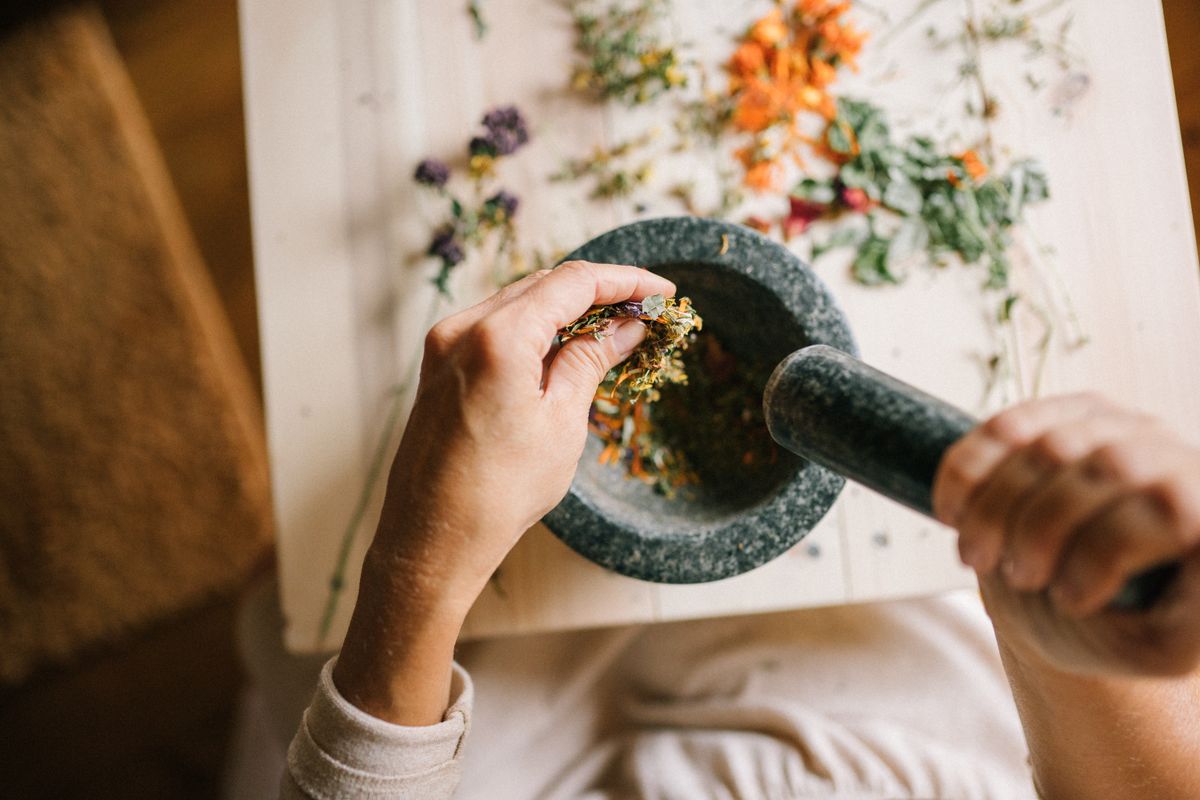
Traditional prep means ground root steeped in cool water and strained by hand. It is slower, but most kava regulars swear by it. A lot of the better bars still do it this way.
Instant and tea versions exist too, and they are easier for newcomers and faster to serve. They are fine for easing in. Just know that traditional water-based prep is generally considered the safest bet.
The Social Side
Here is what surprised us most: the conversations. Kava gives you a clear-headed calm, so you are relaxed but present. Nobody is slurring or getting loud. People actually listen to each other.
The crowd is a real mix. After-work professionals, college students, folks in recovery looking for supportive community spaces, and people exploring alternatives to traditional nightlife. We have sat next to a software engineer and a retired teacher at the same kava bowl. That just does not happen at most bars.
A lot of these places run events too, including open mic nights, Pacific Island cultural talks, wellness workshops, and casual meetups. Some do it well. Some feel forced. The ones that work tend to let the community build itself rather than programming every minute.
Where This Is Heading
More kava bars are opening. That is mostly good news, but it comes with a catch: not every new spot is going to prioritize quality or respect the tradition behind what they are serving. The places worth supporting source noble kava, prepare it properly, and do not treat Pacific Island culture like a decorating theme.
If You’re Trying Kava for the First Time
- Start small. One shell. See how you feel before ordering more.
- Pick a spot that does traditional prep, or at least offers it.
- Drink water. Kava is dehydrating and people forget this.
- No alcohol before, during, or after. Seriously.
- Don’t drive home. Arrange a ride ahead of time.
- Ask the staff questions. Good kava bars love talking about their sourcing.
Kava culture is not going to replace bars or clubs. It does not need to. What it offers is a different kind of night out, one where you actually remember every conversation and wake up feeling fine the next morning. That is worth something. When you are ready to find a spot, browse kava bars near you on Downtown Dry.