Kava tea is the drink people mean when they talk about kava. It is the root of a Pacific Island plant, ground up and steeped in water, and it has been prepared the same basic way for thousands of years. What has changed is the audience. Kava tea now shows up on grocery shelves in tea bags, in powder tubs at supplement shops, and freshly made in the hundreds of kava bars that have opened across the United States.
This is the practical guide: what kava tea actually is, how to make it at home, what it feels like, and the safety facts you should read before your first cup. We track kava venues nationwide and have written a full guide to what a kava bar is, a piece on the science behind kava, and an honest kava vs kratom comparison. This one is specifically about the tea.
Safety first
Kava affects your central nervous system and your liver processes it. Clinical trials have found that kava extract can reduce anxiety, but kava has also been linked to rare cases of serious liver injury, which is why several countries restricted it in the early 2000s and why the FDA does not classify kava as generally recognized as safe. The CDC issued a warning about rising kava-related reports in April 2026. Do not drink kava tea if you have a liver condition, if you are pregnant or nursing, or if you drink alcohol heavily. Do not mix it with alcohol, acetaminophen, or sedative medications, and do not drive after drinking it. The full detail is in the safety section below.
What kava tea actually is
Kava tea is made from the root of Piper methysticum, a shrub grown in Fiji, Vanuatu, Tonga, Samoa, and Hawaii. The root is dried, ground to a powder, and worked into cool or lukewarm water until the water turns muddy brown. It is then strained and served at room temperature. Traditionally it is drunk from a coconut shell in a single go rather than sipped.
The word tea is a little misleading. Ordinary herbal tea works by steeping leaves in hot water, but the active compounds in kava, a group of about six molecules called kavalactones, do not dissolve well in water on their own. You have to physically knead and squeeze the ground root to release them, and a small amount of fat helps carry them into the liquid. That is why a quick cup of hot kava tea from a store-bought bag is much weaker than a bowl prepared the traditional way. Both are called kava tea. They are not the same strength.
Kavalactones are the reason people drink it. Kavain, one of the main ones, has a mild calming and muscle-relaxing effect and produces the light numbing feeling on your lips and tongue that regular kava drinkers recognize immediately.
What kava tea feels like
The effect is calm, not intoxication. Most people describe a relaxed body, a quieter head, and an easing of social tension, while staying clear enough to hold a conversation. That combination is the whole appeal, and it is why kava rooms are sociable places rather than rowdy ones. You can read more about that scene in our piece on the rise of kava culture.
A few specifics worth knowing before you try it:
- Onset and duration. Effects usually begin within 15 to 30 minutes and last a couple of hours. On a full stomach the onset is slower and gentler.
- The numbing. Your lips and tongue will tingle and go slightly numb within a minute of drinking. This is normal and harmless.
- Reverse tolerance. Many first-timers feel very little the first few times, then feel the effect clearly once their body adjusts. This is widely reported by regular drinkers, though it is not well studied.
- The taste. Earthy, bitter, and muddy. Nobody drinks kava for the flavor. Kava bars usually serve it with a slice of pineapple or a splash of juice to cut the bitterness.
Kava tea benefits, honestly
The best-supported use is short-term relief of anxiety and stress. Several controlled trials and a well-known review of the research found that standardized kava extract reduced anxiety symptoms more than a placebo. That is a real result, and it is why kava has been studied as an alternative to some conventional options. It maps onto why people reach for a “kava stress relief tea” after work rather than a drink.
Beyond that, the evidence gets thinner. Kava is often sold for sleep, mood, and muscle tension, and plenty of people find it helps them wind down, but the rigorous studies mostly cover anxiety. Treat the rest as anecdotal. Kava is not a treatment for any medical condition, and none of this is medical advice. If you are dealing with real anxiety or insomnia, kava tea is not a substitute for talking to a doctor.
One honest caveat: the calm is genuine, but it comes from a substance your liver has to process, and the benefits do not cancel out the risks in the safety section. Both are true at once.
How to make kava tea at home
Here is the traditional method, which is the one that actually works. You need medium-grind kava powder (not the whole root, and not capsules), water, and a straining bag such as a muslin or nut-milk bag.
- Measure. Use about 2 tablespoons of kava powder per cup of water. One to two servings is a reasonable place to start. More powder means a stronger drink, not more cups.
- Use warm, not boiling, water. Lukewarm to warm water, around body temperature up to a bit warmer, is ideal. Boiling water can degrade the kavalactones, so keep it off the boil.
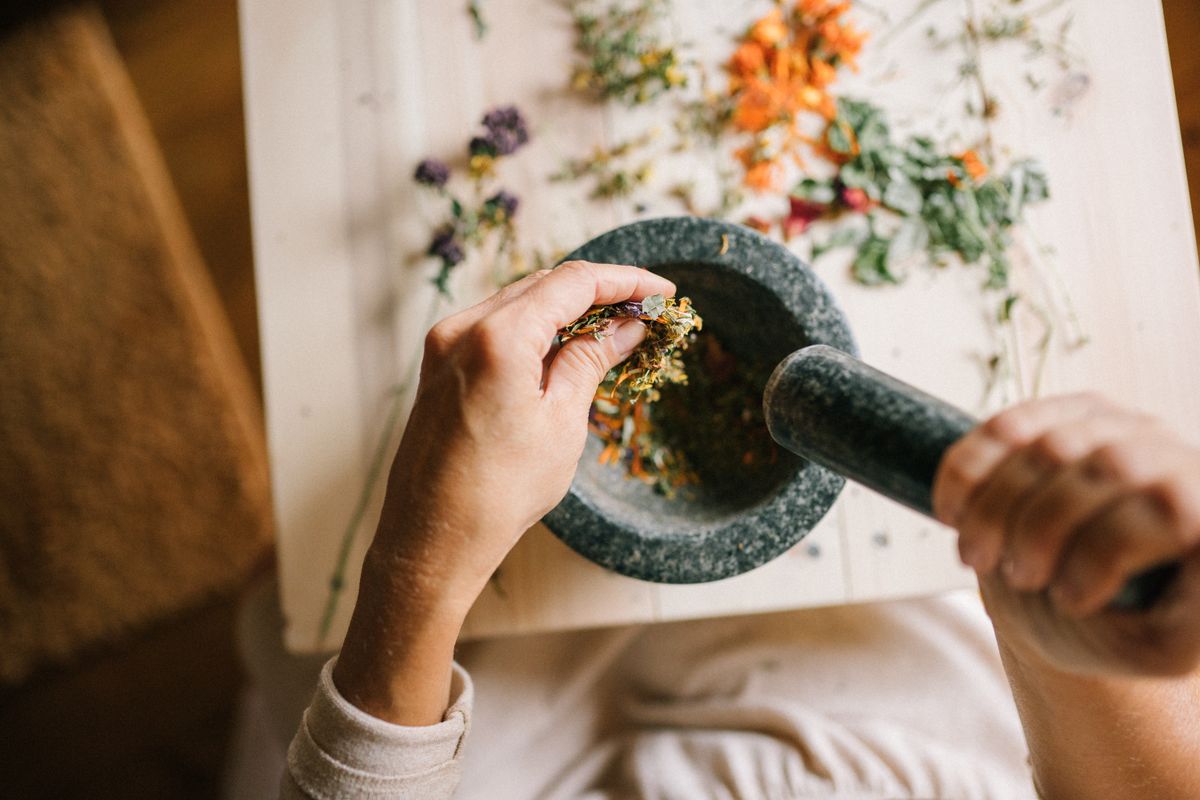
- Knead for 10 minutes. Put the powder in the straining bag, submerge it in the water, and squeeze and massage it continuously. This is the step people skip, and it is the step that releases the kavalactones. Ten minutes of real kneading makes the difference between a strong drink and brown water.
- Strain and serve. Wring the bag out hard, discard the spent root, and drink the liquid at room temperature. Traditionally you drink a serving in one go rather than sipping it slowly.
A pinch of lecithin or a splash of milk or coconut milk adds a little fat and noticeably improves extraction. If kneading sounds like too much work, instant or micronized kava powder dissolves directly into water with a quick stir, no straining needed, though many people find it harsher on the stomach.
What about kava tea bags?
Store-bought kava tea bags, the kind sold in the sleep and stress aisle, are the easiest option and the weakest. To get anything out of them, steep the bag in hot water for 10 to 15 minutes, cover the cup to keep the volatile compounds in, and squeeze the bag well before removing it. Even then, expect a mild effect compared with a prepared bowl. Tea bags are a fine introduction to the taste and a gentle wind-down. They are not what people mean when they describe a strong kava session.
Buying kava: what to look for
If you are buying powder, two things matter more than the brand.
- Choose noble kava. Kava comes in two broad types. Noble kava is the traditional daily-drinking variety and is better tolerated. Tudei kava, sometimes labeled “two-day” because the effects linger, is higher in certain kavalactones and more likely to cause nausea and a hangover-like feeling. Reputable sellers state clearly that their kava is noble. If it does not say, assume it is not.
- Know the origin. Kava from Vanuatu, Fiji, Tonga, Hawaii, and Samoa from a seller who lists the country and the cultivar is a better bet than an unlabeled bulk product. Water-prepared root from a trusted source is the form with the longest safety record.
Skip products that blend kava with alcohol or that hide the type and origin behind marketing.
Kava tea side effects and safety
This is the part to read carefully. Kava is legal in the United States and generally well tolerated in moderate amounts, but it is not risk-free, and it is a genuine health topic rather than a lifestyle product.
- Liver. The most serious concern is the liver. Kava has been linked to rare cases of liver injury, some severe. The risk appears higher with solvent-based extracts, tudei kava, and poor-quality products than with traditional water-prepared noble root, but it is not zero for anyone. Do not drink kava if you have any liver condition, and stop and see a doctor if you notice yellowing skin or eyes, dark urine, or persistent nausea and fatigue.
- Drug and alcohol interactions. Do not combine kava with alcohol, with acetaminophen (Tylenol), or with sedatives, benzodiazepines, or other drugs that are processed by the liver or that depress the nervous system. These combinations raise the risk to your liver and your alertness.
- Driving. Kava impairs coordination and reaction time. Do not drive or operate machinery after drinking it.
- Heavy or daily use. Long-term heavy use can cause kava dermopathy, a dry, scaly skin condition that clears up when you stop. Keep it occasional rather than daily.
- Who should skip it entirely. People who are pregnant or nursing, anyone under 18, people with liver disease, and anyone on prescription medication should not drink kava tea without talking to a healthcare provider first.
The regulatory picture reflects this. The FDA has warned about kava and liver injury and does not consider kava generally recognized as safe, and the CDC flagged rising kava-related reports in April 2026. We list this honestly on every kava page because the calm is real and so are the risks. For the pharmacology behind all of this, see the science behind kava.
Where to try kava tea
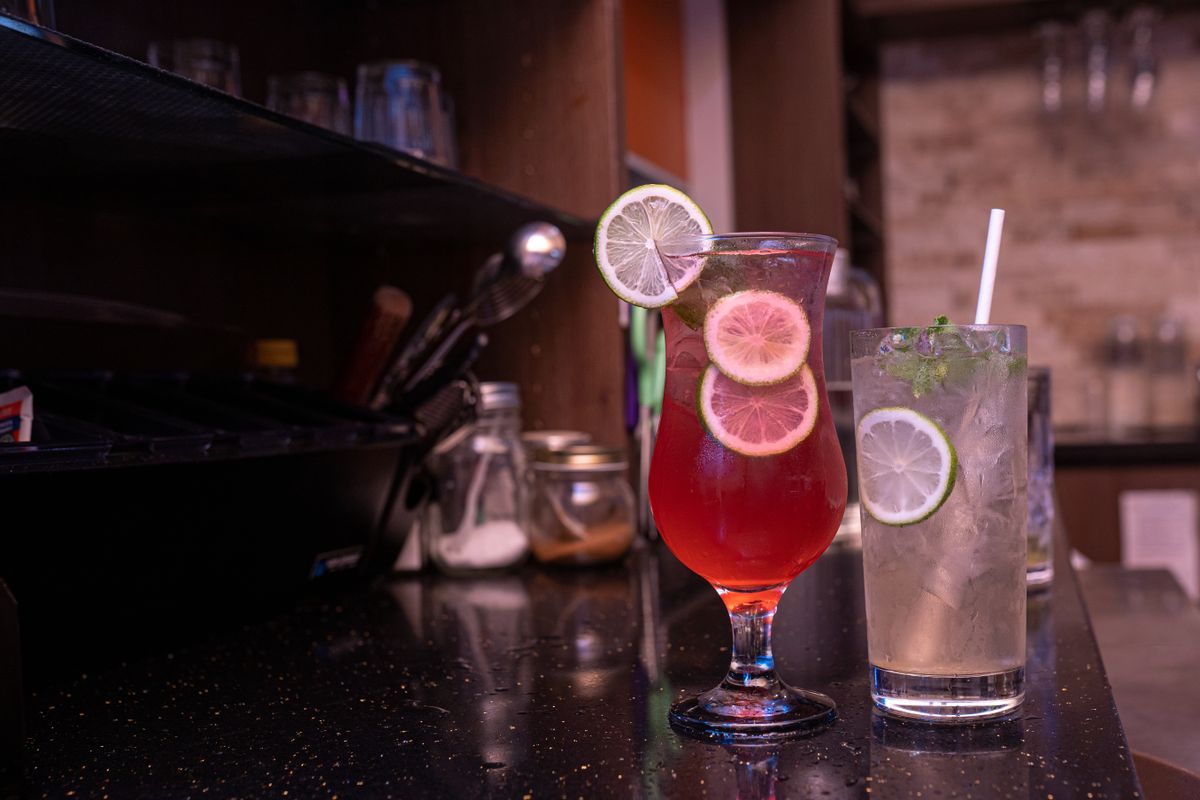
The easiest way to try kava tea prepared properly is at a kava bar, where someone who makes it every day serves it fresh and can point a first-timer to a mild pour. Many kava bars also sell powder to take home. You can find one near you in our national kava bar directory, which lists venues city by city with hours, ratings, and what each one serves. If you are brand new to the room and not sure how to order, start with our first-timer’s guide to kava bars.
Frequently asked questions
Is kava tea good for you?
Kava tea has been shown in clinical trials to reduce short-term anxiety, and many people use it to relax without alcohol. It is not a treatment for any medical condition, and it carries a real, if uncommon, risk of liver injury. Used occasionally, from a quality noble-kava source, by a healthy adult who avoids alcohol and interacting medications, it is generally well tolerated. It is not for everyone.
Does kava tea get you high?
Not in the way alcohol or cannabis does. Kava produces a calm, relaxed, sociable feeling and a numb tingling in the mouth, while leaving you clear-headed enough to talk and think. The effect is closer to easing tension than to getting intoxicated.
Can you make kava tea with tea bags?
Yes, but it will be mild. Steep the bag in hot water for 10 to 15 minutes, keep the cup covered, and squeeze the bag before removing it. Store-bought kava tea bags are the gentlest form. For a stronger drink, knead medium-grind kava powder in warm water for about 10 minutes and strain it.
How much kava tea is safe?
There is no official safe dose, so keep it occasional and moderate rather than daily, avoid alcohol and acetaminophen entirely while drinking it, and stop if you feel unwell. People with liver conditions, pregnant or nursing people, and anyone on prescription medication should not drink it without medical advice.
Is kava tea legal in the United States?
Yes. Kava is legal to buy, sell, and drink across the United States, both in kava bars and as a supplement. Legal status is not the same as risk-free, so the safety guidance above still applies.