A kava bar is a social venue that serves kava, a drink made from the ground root of a Pacific Island plant, instead of alcohol. You order at a counter, you get served a portion in a coconut shell or a cup, and you sit down and talk to people. It is closer to a tea house than a nightclub. Nobody gets drunk, nobody gets loud, and nobody is hungover the next morning.
That is the short answer. The longer answer is more interesting, and there are things worth knowing before you walk into one.
Important safety information first
Kava affects your central nervous system and your liver processes it. Do not drive after drinking it. Do not mix it with alcohol, and do not mix it with medications without asking your doctor, particularly anything sedating or anything metabolized by the liver. Skip it entirely if you are pregnant, nursing, have a liver condition, or take prescription medication for anxiety, sleep, or seizures.
In April 2026 the CDC issued a warning about rising kava-related health reports. Poison control calls involving kava rose 383% between 2011 and 2025. The FDA does not classify kava as generally recognized as safe. Those numbers are largely driven by concentrated extracts, mixed products, and people combining kava with other substances rather than by traditional water-prepared root, but they are real and you should know them before you decide. We cover the pharmacology and the sourcing questions in detail in our guide to the science behind kava.
Most people drink kava at a bar a few times a year and have a pleasant, uneventful time. This section exists so you can make that call with the facts.
Where kava bars came from
Pacific Islanders have been preparing kava for around three thousand years. In Fiji, Vanuatu, Tonga, and Samoa it is not a recreational drink. Kava marks treaties, weddings, funerals, and conflict resolution, with specific customs about who is served in what order.
American kava bars borrow the drink and some of the ritual without the ceremony. The first ones opened in Florida in the early 2000s, and for a decade there were only a couple dozen in the whole country. Growth has been steep since, and industry estimates now put the count somewhere between 700 and 2,500 depending on whether you count dedicated kava bars or every venue that serves it. Either way, the number was a rounding error fifteen years ago. Our directory of kava bars tracks close to 500 venues across 40 states.
The reason for the growth is not complicated. A lot of people want somewhere to go at 9pm that is not a bar, not a coffee shop closing at 6, and not their apartment. Kava bars fill that slot. We wrote more about the cultural side of it in the rise of kava culture in American cities.
What it looks like inside
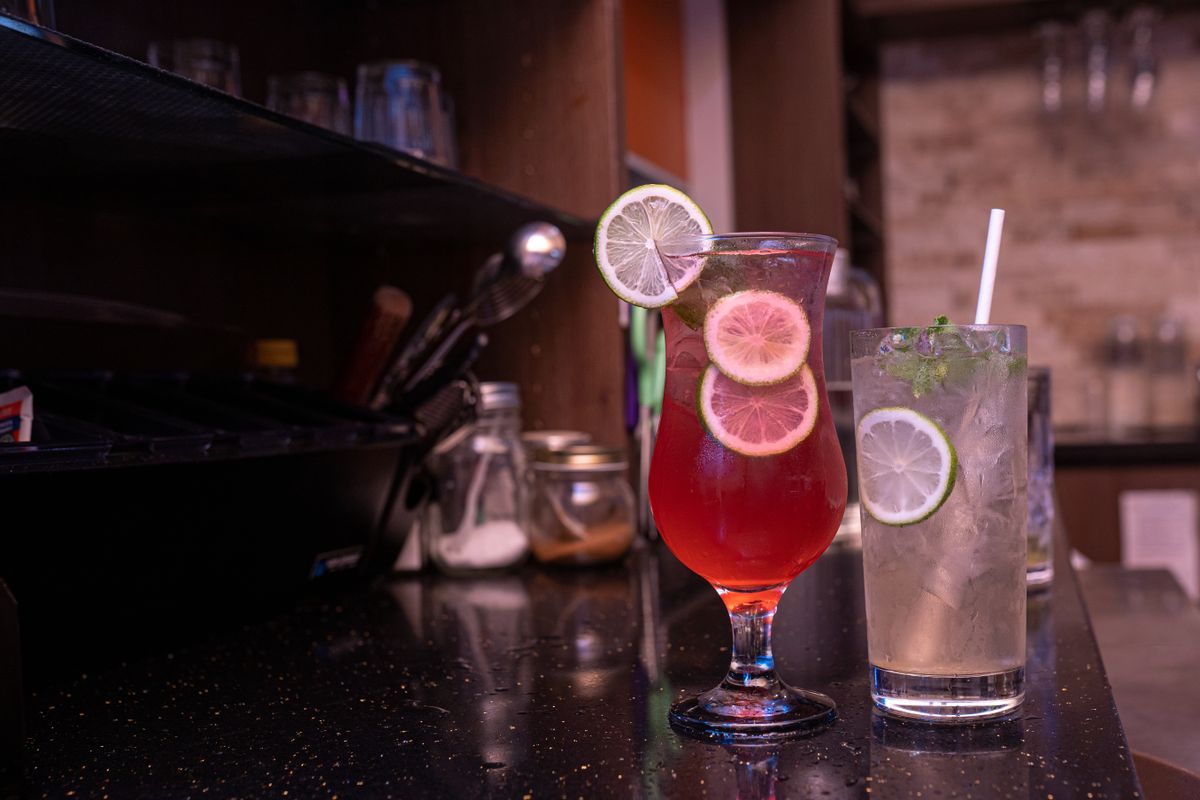
Low couches, warm lighting, often a bar counter with taps that look like beer taps but are not. Board games. Sometimes live acoustic music, sometimes just conversation. The volume is normal. You can hear the person across from you without leaning in, which is genuinely disorienting the first time if your baseline for a night out is a crowded bar.
The staff are usually called kavatenders. Most kava bars also serve kratom, and a lot of them serve tea, cold brew, and CBD or THC drinks too. That mix matters, and it is the next section.
Kava bars are not kratom bars, and the difference matters
This is the single most useful thing to understand before you go, and most explainers skip it.
Kava comes from Piper methysticum, a pepper relative. Its active compounds are kavalactones, which act on GABA pathways. The effect is muscle relaxation and reduced anxiety with your head basically clear. It is not an opioid, it is not habit-forming in the way opioids are, and it does not produce a euphoric high in the usual sense.
Kratom comes from Mitragyna speciosa, a coffee relative. Its active compounds act on opioid receptors. It produces stimulation at low doses and sedation at higher ones, it carries genuine dependence and withdrawal risk, and it accounts for a large share of the poison control reports that get attributed to kava bars in press coverage.
The two get sold side by side at the same counter, sometimes in the same drink, often described with the same vocabulary. If you are going to a kava bar for the low-key social thing, order kava and be specific about it. Ask what is in anything labeled a house blend or a specialty drink. A good kavatender will tell you without being weird about it, and one who is evasive tells you something too.
How to order
Tell them it is your first time. This is not embarrassing and it is the most useful thing you can say. Kavatenders deal with first-timers constantly and will steer you toward something reasonable.
The vocabulary you will hear:
- Shell. A serving, traditionally in a half coconut shell. Expect $5 to $12 depending on the city and the preparation.
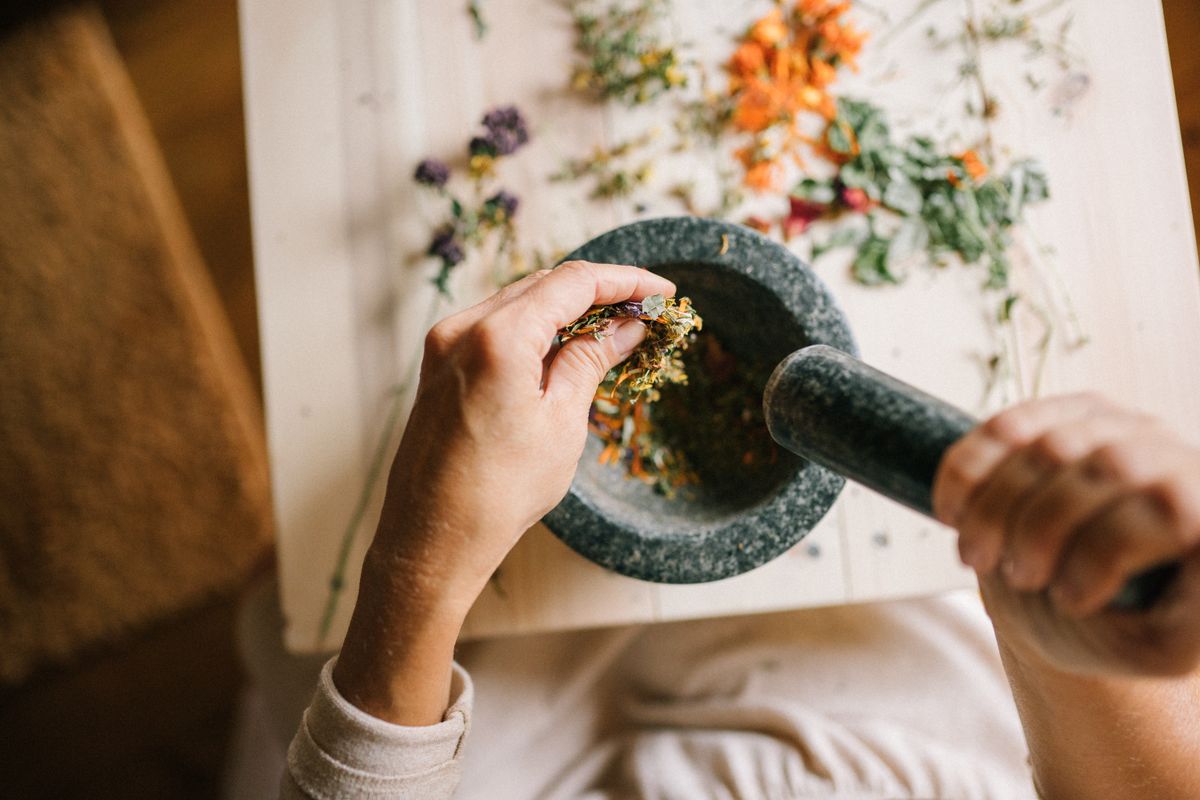
- Traditional prep. Ground root steeped in cool water and hand-strained through a cloth bag. Earthy, muddy, genuinely not delicious. This is what regulars drink and it is the preparation with the longest safety record.
- Instant. Powdered, faster to serve, milder tasting. Fine for easing in.
- Noble kava. The cultivars used traditionally for generations, and the ones you want. If a bar advertises noble varieties and can name them, that is a good sign about how seriously they take sourcing.
- Bula. Fijian for health and welcome. When you are handed a shell, the room may call it out. You drink the shell in one go and hand it back.
Start with one shell, or half a shell. Wait fifteen to twenty minutes before deciding whether you want another. This is the opposite of how people pace beer and it is the mistake first-timers make most often.
Go on a light stomach. Kavalactones absorb better without a full meal in the way, and a lot of first-timers who report feeling nothing had dinner an hour earlier.
What it actually feels like
Your mouth and lips go slightly numb almost immediately. That is the kavalactones and it is normal, though nobody warns you and it is briefly alarming.
The taste is the real hurdle. Traditional prep tastes like peppery dirt water. There is no way around this and everyone who drinks kava regularly has simply decided they do not care. Most bars will hand you a slice of pineapple or a sour candy as a chaser, which helps more than you would expect.
Ten to twenty minutes in, the effect settles. Muscles loosen, the mental noise quiets down, social anxiety drops off. What it is not is drunk. You do not lose coordination in a meaningful way, your judgment stays intact, and you can follow a complicated conversation. People often describe it as the pleasant part of two drinks without the sloppy part.
The effect from one or two shells lasts around two to three hours and tapers off gently. There is no hangover. That absence is most of the appeal.
If you feel nothing at all the first time, that is common. Reverse tolerance is a documented quirk of kava where the effects strengthen over the first several sessions rather than weakening. It is not you doing it wrong.
Who should skip it
- Anyone with liver disease or a history of liver problems
- Pregnant or nursing
- Anyone taking benzodiazepines, sedatives, antidepressants, or antipsychotics
- Anyone drinking alcohol that night, at all
- Anyone driving home within a few hours, which is worth planning around before you go, not after
- Anyone with a history of alcohol use disorder who is unsure whether swapping one substance for another fits their recovery, which is a real question worth asking a professional rather than a blog
Heavy long-term daily use has its own signature: dry, scaly skin, sometimes yellowing. It is called kava dermopathy, it signals overuse rather than permanent damage, and it clears up when consumption drops. It is not something occasional drinkers encounter.
Is it worth going
If you want a place to be social at night that does not revolve around alcohol, kava bars are one of the few options that were designed for exactly that rather than adapted to it. The people are friendly to a degree that is almost suspicious if you are used to bar culture. The lack of a hangover is not a small thing.
If you want to know what the drink does to you at a mechanistic level before trying it, read the science piece first. If you are newer to going out without drinking in general, our guide to navigating alcohol-free nightlife covers the social side.
And if you want to find one, we track kava bars across the country in our kava bar directory, searchable by city and state.
This article is general information, not medical advice. Kava interacts with medications and is not appropriate for everyone. Talk to a healthcare provider about your own situation, particularly if you take prescription medication or have any liver concerns.